- Your cart is empty
- Continue Shopping


Benefits of Guided Implant Surgery
-
admin
- Posted on
- 0 comments
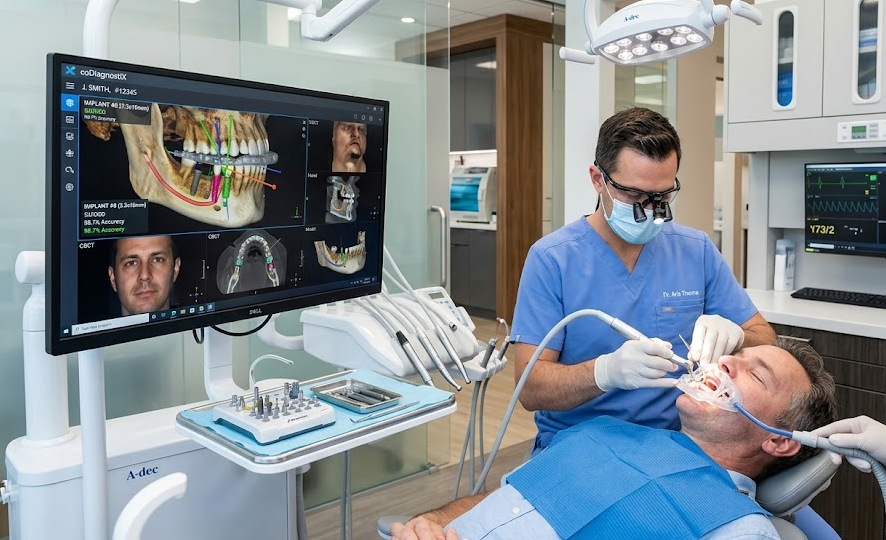
Dental implantology has evolved significantly over the past decade, with guided implant surgery emerging as one of the most important advancements in modern dentistry. By combining digital planning, advanced imaging technologies, and precise surgical guides, guided implant surgery offers a safer, more predictable, and highly accurate approach to implant placement.
What Is Guided Implant Surgery?
Guided implant surgery is a digital workflow that allows dentists and implantologists to plan implant placement virtually before the actual procedure. Using CBCT scans and specialized planning software, clinicians can determine the ideal implant position based on the patient’s anatomy, bone structure, and restorative requirements.
A customized surgical guide is then produced and used during surgery to transfer the digital plan accurately to the patient’s mouth.
Enhanced Accuracy and Precision
One of the primary advantages of guided implant surgery is its exceptional accuracy. Traditional freehand implant placement relies heavily on the clinician’s experience and judgment during the procedure. In contrast, guided surgery follows a pre-planned pathway that ensures implants are placed at the correct angle, depth, and position.
This precision is especially important in complex cases where anatomical structures such as nerves, sinuses, or adjacent teeth must be carefully avoided.
Improved Patient Safety
Guided implant surgery significantly reduces the risk of surgical complications. Since implant placement is planned in advance using detailed 3D imaging, clinicians can identify potential challenges before surgery begins.
The ability to avoid critical anatomical structures helps minimize risks while providing patients with a safer treatment experience and greater confidence in the procedure.
Predictable Treatment Outcomes
Predictability is a key factor in successful implant dentistry. Guided surgery allows clinicians to visualize the final restorative outcome before placing the implant. This prosthetically driven approach ensures that implants are positioned to support optimal function, aesthetics, and long-term stability.
As a result, treatment outcomes become more consistent and reliable.
Reduced Surgical Time
Because much of the planning work is completed digitally before the procedure, guided implant surgery often reduces chair time. The surgical guide streamlines the workflow, allowing clinicians to perform implant placement more efficiently.
Shorter procedures can improve patient comfort and enhance the overall clinical experience.
Minimally Invasive Approach
In many cases, guided surgery enables flapless or minimally invasive procedures. Smaller surgical interventions can result in less bleeding, reduced swelling, and faster healing times compared to traditional implant surgery techniques.
Patients often experience less post-operative discomfort and can return to normal activities sooner.
Greater Confidence for Clinicians
Guided surgery provides clinicians with a structured and controlled workflow. Whether treating straightforward cases or complex implant rehabilitations, the use of surgical guides increases confidence and supports consistent clinical performance.
This is particularly beneficial for practitioners seeking to improve efficiency while maintaining high treatment standards.
Better Communication and Case Planning
Digital treatment planning facilitates collaboration between dentists, surgeons, laboratories, and patients. The ability to visualize treatment outcomes improves communication and helps patients better understand their proposed treatment plans.
This transparency can increase patient acceptance and satisfaction.
The Future of Implant Dentistry
As digital dentistry continues to advance, guided implant surgery is becoming an essential component of modern implant practice. By combining precision, safety, efficiency, and predictability, it offers significant benefits for both clinicians and patients.
Whether used in single implant cases or full-arch restorations, guided surgery represents a smarter and more reliable approach to implant placement, helping dental professionals deliver exceptional results with confidence.
